12 Uplifting Assisted Living Event Ideas for Residents and Families

Assisted living event ideas have one job: to make a residence feel like a home where something good is always happening. Residents who join activities tend to eat better, sleep better and feel less isolated, and families notice the difference every time they visit.
We’ve pulled together 12 ideas that activity directors, wellness staff and family councils can run with small budgets and mixed abilities in mind. Each one includes rough US costs, the group size it suits and simple ways to include residents who use walkers, wheelchairs or need memory support.
Assisted Living Event Ideas That Bring Residents Together
The best assisted living activities match how residents actually live. Most people are sharpest and most social in the late morning, so schedule bigger events between 10:00 AM and noon or right after lunch. Keep events to 45 to 60 minutes, with a break built in for anyone who tires easily.
It also helps to think in three layers. Daily activities, like a morning stretch or a coffee chat, give structure. Weekly events, like bingo or a music hour, give residents something to look forward to. Monthly or seasonal events, like a family barbecue or holiday party, bring families back into the building.
For residents living with dementia, the Alzheimer’s Association has a helpful page on planning activities that keeps tasks simple and focused on what a person can still enjoy.
1. Big Prize Bingo
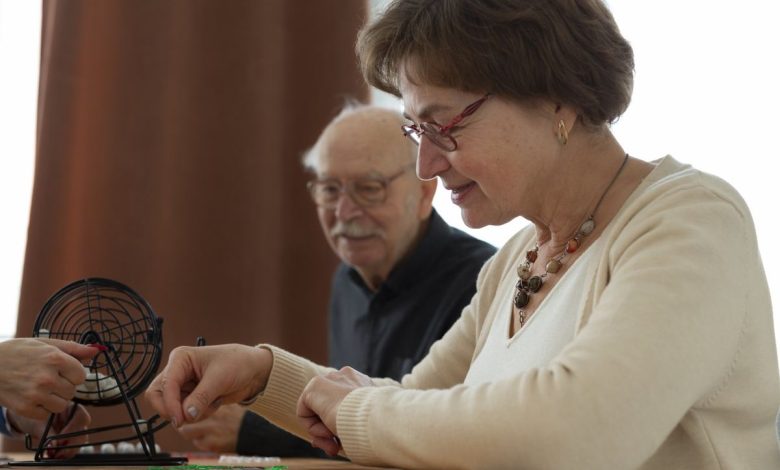
Bingo is popular in senior living for a reason. It’s social, easy to follow and works for nearly every ability level. Upgrade the usual game into a monthly “big prize” bingo with a better prize table, like snack baskets, lap blankets, puzzle books and gift cards.
Use large-print cards and a caller with a clear voice and a microphone. Free tools like Bingo Baker let you print themed cards for holidays or decades. A prize table for 30 residents costs about $50 to $100, and local businesses often donate items if you thank them in the newsletter.
2. Family Sunday Brunch
A family brunch once a month gives relatives an easy, relaxed reason to visit. Set up a pancake or waffle station, scrambled eggs, fruit and pastries in the dining room, and invite families for 10:30 AM. Grandkids love the toppings bar.
Charge families a small fee, around $8 to $12 a guest, or include it in the activity budget. Ask the kitchen to prepare soft and diabetic-friendly options. Put a photo frame station near the door so families can take a picture together. It’s often the event residents talk about most all month.
3. Live Music Hour
Music reaches people in a way few activities can, including residents with advanced memory loss. Invite a local pianist, a church choir, a high school jazz band or a retired musician to play for an hour once a week.
Many local performers come for free or for a small stipend of $50 to $150. Pick songs from the 1940s to the 1960s, and hand out song sheets so residents can sing along. Shakers and tambourines from a music supply store cost about $30 for a set and let everyone join in, even from a chair.
4. Painting and Craft Class
A weekly art class gives residents a creative outlet and a finished piece to show their families. Watercolor, acrylic painting on small canvases, card making and clay projects all work well. Hang the finished art in a hallway “gallery” so everyone can see it.
Supplies for 15 residents cost about $40 to $70 at Michaels or Hobby Lobby. Pre-cut shapes and stencils help residents with shaky hands. Ask a local art teacher or college student to volunteer once a month. A small art show in spring, with family invites and cookies, gives the work an audience.

5. Seated Exercise and Balance Class
A gentle exercise class helps residents stay strong and steady on their feet. Chair yoga, seated strength work with light hand weights and soft ball exercises are safe for most people. Two or three short classes a week work better than one long one.
A certified instructor typically charges $40 to $75 a class, though many wellness staff can lead it themselves after training. Soft exercise balls and light weights cost under $60 for a group set. Play upbeat music, keep water nearby and always offer a seated version of every move.
6. Pet Therapy Visits
Few things light up a room like a friendly dog. Contact a local therapy dog group, like an Alliance of Therapy Dogs or Pet Partners team, and schedule a monthly visit. Volunteers bring calm, trained dogs that residents can pet and talk to.
Visits are almost always free. Set up chairs in a circle and let the dogs move from person to person. Some communities also invite a local shelter to bring kittens or a small rabbit. Check allergies ahead of time and keep a quiet room open for residents who’d rather skip it. Residents who had dogs of their own often open up about them, so ask about old pets while the dogs make their rounds. Those stories make great conversation starters for staff long after the visit ends.
7. Intergenerational Story Hour
Invite a preschool class, scout troop or homeschool group to visit for a story hour. Residents read picture books aloud, or children read to residents. Afterward, everyone shares a snack and makes a simple craft together.
The cost is just snacks and craft supplies, about $25 to $50. Work with the school on permission forms and keep groups small, around 10 to 15 children. Many residents were teachers, nurses or parents of big families, and this kind of event brings that part of them back to life.
8. Holiday Party for Residents and Families
A holiday party is one of the year’s biggest assisted living activities. Decorate the common room, set out a hot cocoa and cookie bar and invite families for a two-hour open house. A visit from Santa, played by a staff member or volunteer, is a huge hit with grandkids.
Budget around $200 to $500 for a community of 60 residents. Keep music at a comfortable volume and plan quiet seating away from the crowd. Our guide to Christmas party ideas for seniors has more food, music and game ideas you can borrow.

9. Life Story Interviews
Pair residents with high school or college volunteers who interview them about their lives. Ask about childhood, first jobs, military service, marriage and the biggest changes they’ve seen. Record the stories on a phone or write them up.
Turn each interview into a one-page profile with a photo and post it near the dining room. Families often ask for copies. Costs are close to zero. It helps staff and other residents get to know each person beyond their room number, and it gives volunteers a lesson they won’t forget.
10. Gardening Club
Raised garden beds at table height let residents plant herbs, tomatoes and flowers without bending or kneeling. In winter, move the club indoors with windowsill herbs, paperwhite bulbs or succulents in small pots.
A raised bed costs about $100 to $250, and seeds and soil add $30 to $50. Residents who grew up on farms or kept big gardens are often the club’s best teachers. Use the herbs in a cooking demo later in the season so residents can taste what they grew.
11. Theme Days and Travel Lunches
Pick a country or region once a month and build a day around it. Serve a themed lunch, play music from that place and show a short travel video on a big screen. Mexico, Italy, Hawaii and New Orleans are crowd favorites.
Work with the kitchen to keep dishes soft and easy to eat, like enchiladas, baked ziti or jambalaya with mild spices. Decorations from Dollar Tree run $20 to $40. Ask residents who’ve visited the place to share a memory. It’s an easy way to break up the routine without leaving the building.
12. Family Game Night
Invite families for an evening of board games, cards and dominoes. Set up tables for checkers, Scrabble, rummy and simple puzzles. Large-print cards and big-piece puzzles help residents with low vision play along.
Serve popcorn, cookies and lemonade for about $40 to $60. Keep it early, from 5:30 to 7:00 PM, so residents aren’t up too late. For more ideas that work across generations, our family event ideas list has games and activities families can do together.
Assisted Living Activities Planner: Costs and Group Sizes
Use this table to plan a month of events. Costs are rough US estimates for the community.
| Event | Best group size | How often | Rough cost |
|---|---|---|---|
| Big prize bingo | 15 to 40 | Monthly | $50 to $100 |
| Family Sunday brunch | 30 to 80 | Monthly | $8 to $12 per guest |
| Live music hour | 15 to 60 | Weekly | Free to $150 |
| Painting and craft class | 6 to 15 | Weekly | $40 to $70 |
| Seated exercise class | 8 to 20 | 2 to 3 times a week | $40 to $75 per class |
| Pet therapy visit | 10 to 30 | Monthly | Free |
| Intergenerational story hour | 10 to 25 | Monthly | $25 to $50 |
| Holiday party | 50 to 150 | Yearly | $200 to $500 |
| Life story interviews | 1 to 10 | Ongoing | Free |
| Gardening club | 5 to 12 | Weekly in season | $130 to $300 |
| Theme day lunch | 20 to 60 | Monthly | $20 to $40 plus food |
| Family game night | 20 to 50 | Monthly | $40 to $60 |
Tips for Running Activities for Assisted Living Residents
Invite, don’t just announce. A personal knock on the door and “we’re saving you a seat” gets far more residents to come than a flyer alone.
Plan for every ability. Each event should have a way to take part seated, with limited hand strength and with low vision or hearing.
Post a clear calendar. Print the monthly calendar in large type and post it in rooms, hallways and the dining room. Email a copy to families too.
Track who’s missing. If a usually social resident stops coming, it can be an early sign of a health change. Let the care team know.
Build a volunteer list. Keep a simple spreadsheet of local churches, schools, scout troops, musicians and therapy dog teams who have visited. When a slot opens on the calendar, you can fill it with one phone call instead of starting from scratch.
Take photos and share them. With residents’ permission, post a few photos from each event in the family newsletter or private family group. Relatives who live far away love seeing their mom or grandpa laughing at bingo, and it often prompts them to visit for the next event.
Ask the family council for help. Families are often happy to run a game night, bring a pet or donate prizes when you ask them directly.
FAQs About Assisted Living Event Ideas
1. What are the most popular assisted living activities?
Bingo, live music, exercise classes, pet therapy, crafts and family events are consistently the most popular. Residents also enjoy outings, cooking demos and anything involving children.
2. How many events should an assisted living community hold?
Most communities offer several small activities every day, plus two to four bigger events each month. A mix keeps residents engaged without overwhelming staff.
3. How can we include residents with dementia in events?
Keep instructions short, use music and familiar objects, and offer a calm space nearby. Smaller groups of five to eight usually work better than large crowds.
4. How do we get families more involved?
Schedule family events on weekends or early evenings, send invitations by email and text, and ask families for ideas. A monthly brunch or game night gives them an easy reason to visit.
5. What are good low-cost assisted living event ideas?
Pet therapy visits, volunteer musicians, story hours with local schools, life story interviews and card tournaments all cost little or nothing to run.
Conclusion
Good assisted living event ideas don’t need a big budget. They need a little planning, a warm invitation and room for every resident to join in. Bingo, a music hour, a pet visit or a family brunch can turn an ordinary week into one residents look forward to.
Pick a few ideas from this list, try them for a month and ask residents and families what they’d like more of. The calendar that grows from their answers will always beat one built from a template.
Featured image: Image by Magnific
Planning an event? Don't miss a step.
Get our free Event Planning Checklist, plus fresh event ideas in your inbox every week.
We'll only email you event ideas and tips. Unsubscribe anytime. See our Privacy Policy.