12 Wonderful Thanksgiving Activities for Seniors in Care Homes and at Home

Thanksgiving activities for seniors often get planned as an afterthought. A paper turkey on the door, a holiday meal on a plastic tray, and a long afternoon in front of the TV. For older adults living in care communities, or alone at home, the holiday can feel more like a reminder of who isn’t there than a celebration.
That’s a real loss, because the season is built for older adults. They hold the recipes, the songs and the stories. With activities that fit their energy, hearing, vision and mobility, the week of Thanksgiving can become one of the brightest of the year, for residents and families alike.
Thanksgiving Activities for Seniors That Spark Memories and Conversation
Good Thanksgiving activities for seniors share three things. They invite people to share what they know, they’re easy to join from a chair, and they work for a range of abilities in the same room. A retired baker and a resident with early dementia should both be able to take part.
The ideas below fit senior living communities, adult day programs, church groups and families hosting a grandparent at home. Most need only basic supplies and an hour or less.
Each one includes rough costs and practical safety and accessibility notes, from print size to seating to swallowing concerns, so the fun doesn’t come with risk. You’ll find a planning checklist near the end, too.
1. Large-Print Thanksgiving Bingo
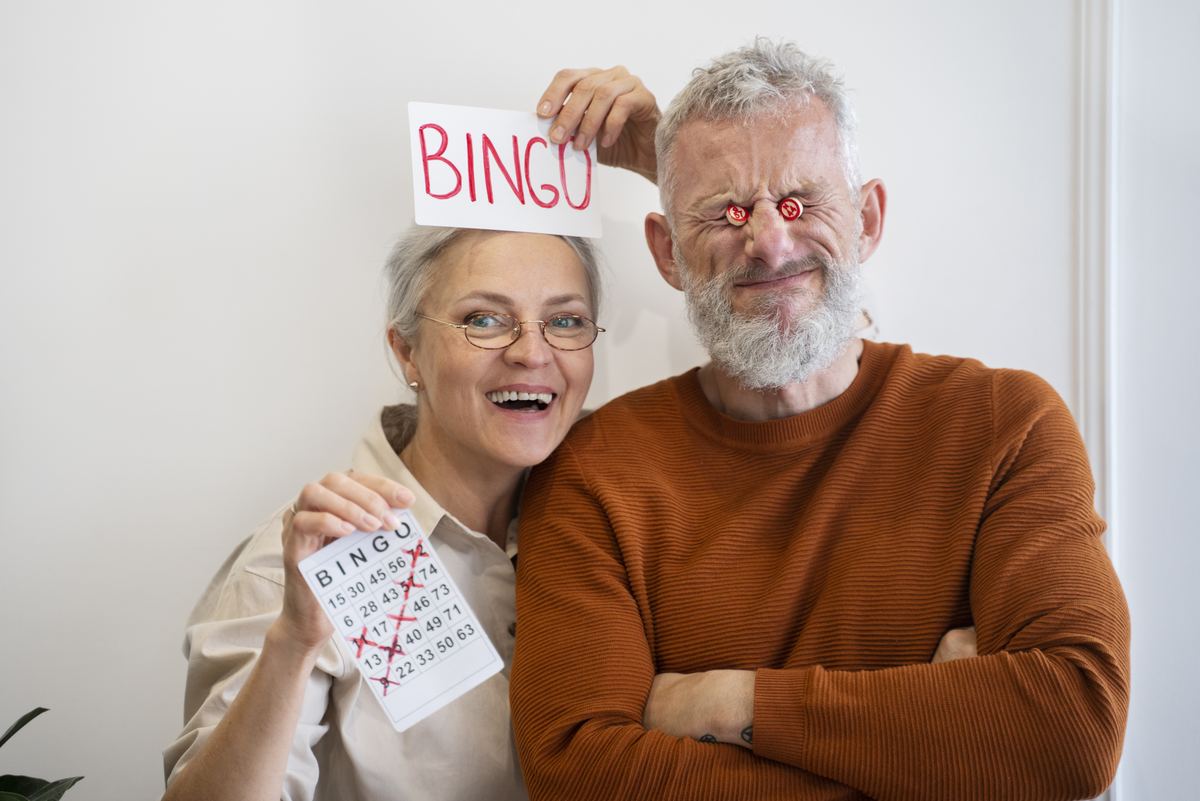
Bingo is the backbone of many activity calendars, and a Thanksgiving version is an easy win. Swap numbers for pictures and words such as turkey, pumpkin pie, cornucopia, football, parade and cranberry. Pictures help residents with memory loss or limited reading vision stay in the game.
Print cards in large type, 18-point or bigger, with high-contrast black on white or cream. Use big chips or magnetic markers that are easy to pick up with stiff fingers, rather than tiny paper squares. A set of 30 laminated cards and markers costs about $15 to $25, or you can print free templates on cardstock.
Call slowly, show each picture on a large card or a TV screen, and repeat it twice. Small prizes like puzzle books, hand lotion or a slice of pie keep everyone invested. Play to a single line rather than a full card, so games stay short and more people win. As Thanksgiving games for seniors go, bingo is the one that suits the widest range of abilities. It’s also among the easiest Thanksgiving activities for seniors to run with a single staff member.
2. A Thanksgiving Memory Circle
After a round of bingo, people are warmed up and ready to talk. A memory circle, sometimes called reminiscence therapy, gives them something to talk about. Gather eight to twelve residents in a circle and use simple prompts: “What was on your family’s Thanksgiving table?” “Who carved the turkey?” “What did you do the day after?”
Bring props to jog memories. A vintage roasting pan, an old recipe card, a 1950s Thanksgiving magazine ad or a jar of cinnamon can bring back a story faster than a question. Keep the group small enough that everyone gets a turn, and have a facilitator gently steer the conversation back if one person takes over.
For residents with dementia, focus on feelings and senses rather than facts. “Tell me about your mother’s kitchen” works better than “What year did you move?” The circle costs nothing, and among Thanksgiving activities for seniors, it often brings out the most surprising stories. Write down the best ones, with the resident’s permission. Families love receiving them, and staff learn things that make daily care more personal.
3. No-Bake Pie Assembly
Stories about family kitchens lead naturally into cooking. Baking from scratch with a group is tricky, with hot ovens, sharp knives and long wait times. No-bake pies solve all three problems. Use store-bought graham cracker crusts, instant pumpkin or vanilla pudding mix, canned pumpkin and whipped topping.
Residents measure, stir, spoon the filling into crusts and decorate the top. Each person gets a role that fits their ability, from opening packages to sprinkling cinnamon. The smells and textures do a lot of the work for people with memory loss. Budget about $5 to $7 per pie, and one pie feeds eight.
Check diet orders before you start. Offer sugar-free pudding for residents with diabetes, and have staff confirm texture needs for anyone on a modified diet. Wash hands first, use plastic utensils and sit everyone at table height with good lighting. Wide-handled spoons and mixing bowls with non-slip bases help residents with arthritis or a tremor. Of all the Thanksgiving activities for seniors here, this one ends with something everyone can enjoy at the afternoon social.
4. A Gratitude Tree Craft
While the pies chill, turn to a craft that grows all month. A gratitude tree is a large branch set in a pot of stones, or a tree trunk drawn on a wall, with paper leaves that residents fill in with what they’re thankful for.
Pre-cut the leaves from heavy cardstock in fall colors, at least 4 to 5 inches long so they’re easy to hold and write on. Use thick, felt-tip markers instead of pens, since they need less grip strength. Staff or volunteers can write for residents who can’t, which is a lovely chance for a one-on-one conversation.
Avoid small beads, glitter and hot glue, especially with residents living with dementia. Pre-punched leaves with ribbon loops are easier than tape. Supplies run about $15 to $25 for a whole community. Place the tree in a spot residents pass every day, at a height they can reach from a wheelchair. By Thanksgiving week, it’s full and visitors stop to read it. It’s one of the simplest Thanksgiving activities for seniors, and it turns a hallway into something families talk about.
5. Seated Harvest Exercise
All that sitting calls for a bit of movement. A seated exercise class with a harvest theme keeps residents active without the fall risk of standing routines. Set chairs with armrests in a circle, and lead 20 to 30 minutes of gentle movement to familiar music.
Give the moves seasonal names to keep it fun: “picking apples” (reaching up), “stirring the gravy” (arm circles), “kicking the leaves” (seated marches) and “passing the potatoes” (a ball passed around the circle). Finish with balloon volleyball, which keeps people laughing and moving their arms. A Bluetooth speaker and a $10 bag of balloons are all the equipment you need.
Follow a few safety rules. Keep a clear path around the circle, check that wheelchairs are locked, and have water within reach. Let residents work at their own range of motion, and stop anyone who reports pain or dizziness. The National Institute on Aging’s falls and falls prevention pages explain why regular strength and balance work matter so much after 65. Thanksgiving activities for seniors that include movement help keep that habit going through the holidays.
6. A Thanksgiving Parade Watch Party
After a morning of moving, a morning of watching feels well earned. The Macy’s Thanksgiving Day Parade has been a TV tradition for decades, and many residents remember watching it with their own children. Turn the broadcast on Thursday, November 26, 2026, into a proper event.
Set up the largest screen in the community room, with closed captions turned on and the volume clear but not booming. Serve coffee, hot cider and a simple breakfast of muffins and fruit. Give everyone a paper scorecard to vote for favorite balloons and floats, and let them guess which Broadway number will close the show.
Arrange chairs in rows that leave wide aisles for walkers and wheelchairs, at least 36 inches across. Seat residents with hearing loss near the front and away from the coffee station’s noise. Costs are minimal, just $20 to $40 for snacks. Plan restroom breaks around the commercial breaks, since the broadcast runs for about three hours. Ask staff to note any resident who seems low that morning; Thanksgiving activities for seniors should leave room for quiet company, too.
7. An Old-Time Thanksgiving Sing-Along
Music often reaches people when conversation can’t, which is why a sing-along fits so well after the parade. Build a 30- to 45-minute set of songs most residents will know: “Over the River and Through the Wood,” “We Gather Together,” “Shine On, Harvest Moon,” “Bicycle Built for Two” and a few hits from their teenage years.
Print lyrics in large type, 18-point or bigger, in a binder for each person, or project them on a screen. A local pianist, guitarist or school choir makes it special, but a good playlist and an enthusiastic leader work too. Hand out simple instruments like egg shakers and tambourines for people who’d rather play than sing. Keep the tempo slow and the key low, which suits older voices.
The Alzheimer’s Association notes that familiar music can comfort people with dementia during the holidays. Even residents who rarely speak may sing every word. Budget $0 to $100, and the higher end covers a paid performer. Of all the Thanksgiving activities for seniors, a sing-along is often the one staff remember most fondly.
8. An Intergenerational Placemat Project
A sing-along with a school choir can lead to a bigger partnership. Invite a class of elementary students, a scout troop or a youth group to make Thanksgiving placemats alongside residents. Pair one child with one or two older adults at each table.
Supply 11-by-17-inch construction paper, thick crayons, stickers and pre-cut shapes. Residents and kids decorate the mats together, writing what they’re thankful for and swapping stories. Laminate the finished mats, which costs about $1 each at an office supply store, and use them at the Thanksgiving meal.
Plan the logistics carefully. Schedule the visit for mid-morning, when most residents have the most energy. Check visitor and health screening policies, and keep sessions to 45 minutes. Brief the children beforehand about walkers, hearing aids and speaking clearly. A few simple conversation questions printed on each table, like “What was your favorite toy?”, help shy kids get started. For residents, these are often the most cheerful Thanksgiving activities for seniors of the month, and the kids usually ask to come back.
9. A Family Recipe Memory Book
Those placemats hold stories. A recipe memory book holds even more. Over two or three sessions, interview residents about the dishes their families made for Thanksgiving: grandmother’s cornbread dressing, a church friend’s sweet potato pie or a relish only one aunt could make.
Write down each recipe as the resident describes it, including the quirks: “a handful of this,” “bake until it smells right.” Add a short story and a photo of the resident. Then print a simple spiral-bound book for each family at a local print shop, typically $8 to $15 per copy, or put it together as a free PDF.
Residents with dementia might not recall exact measurements, and that’s fine. The memory of who stood in that kitchen is the point. Ask families to contribute details and old photos before the holiday, and give the first printed copy to the resident at the pie social. Among Thanksgiving activities for seniors, this one creates a keepsake that outlives the season and often gets passed down to grandchildren.
10. A Dementia-Friendly Table-Setting Activity
Recipe stories bring the kitchen to mind, and setting the table extends that feeling. For many older adults, especially women and men who hosted for decades, setting a holiday table is a familiar, satisfying task. Ask a small group to set the dining room tables for the Thanksgiving meal.
Provide real tablecloths, cloth napkins, place cards and centerpieces made from real gourds, mini pumpkins and fall leaves. The Alzheimer’s Association’s holiday tips for caregivers advise against using candies or artificial fruits and vegetables as decorations, because people living with dementia may mistake them for food. Skip blinking lights, too.
Keep it slow and sociable. Give each person one job, like folding napkins or placing name cards, and thank them warmly. It doesn’t matter if the forks end up on the wrong side. Avoid correcting people in front of others; quietly adjust anything later if needed. This is one of the best Thanksgiving activities for seniors living with dementia, because it builds on skills they already have. Budget $30 to $60 for gourds and napkins.
11. Video Calls and Recorded Greetings
Once the tables are set, the room may be full, but families aren’t always there. Some live far away or can’t travel for the holiday. Set up a video-call station for the week of Thanksgiving with a tablet on a stand, good lighting and headphones or a speaker for residents with hearing aids.
Book 15-minute time slots so every resident gets a turn, and have a staff member or volunteer help with the technology. For families who can’t call live, record a short video of the resident saying hello and send it by text or email. Always get consent before sharing any video outside the family.
The Alzheimer’s Association suggests adding a little structure to group calls, like a short trivia game or old photos to look at together. Cross-talk in big calls can be hard for people with hearing loss or memory issues, so limit calls to two or three family members at a time. Thanksgiving activities for seniors that bring family closer, even on a screen, matter more than any decoration.
12. A Pie Social and Gratitude Toast
End the week with a social that brings everyone together, including the no-bake pies residents made earlier. Host it mid-afternoon, around 2 or 3 p.m., when energy is still good and before sundowning affects people with dementia. The Alzheimer’s Association suggests lunch or early-afternoon celebrations for exactly that reason.
Set up a small pie bar with three or four flavors, including a sugar-free option and a soft pie such as pumpkin for residents on modified diets. Serve decaf coffee, tea and sparkling cider in lightweight cups with handles. Borrow the blind-tasting idea from our Friendsgiving party ideas for adults if you have competitive bakers on staff.
Finish with a gratitude toast. Read a few leaves from the gratitude tree, thank staff and volunteers, and invite residents to raise a glass. Budget $40 to $80 for 30 to 40 people. Keep it to about an hour, and make sure residents who prefer to stay in their rooms get a slice and a visit, too. Few Thanksgiving activities for seniors close the season as warmly.
Safety and Accessibility Checklist for Senior Thanksgiving Events
Use this checklist before any of these Thanksgiving activities for seniors. It covers the issues that most often turn a good event into a hard one: falls, hearing and vision, food and fatigue. It’s a starting point, so always follow your community’s policies and each resident’s care plan.
| Area | Check before the event | Why it matters |
|---|---|---|
| Walkways | Paths at least 36 inches wide; no loose rugs, cords or decorations on the floor; bright, even lighting | Falls are the leading cause of injury for adults 65 and older |
| Seating | Sturdy chairs with armrests; locked wheelchair brakes; space for walkers beside each seat | Armrests help residents stand and sit safely |
| Vision | Large print (18-point or bigger), high contrast, no glare from windows on screens | Lets residents with low vision take part without help |
| Hearing | Captions on, background music off during talking, speaker faces the group | Background noise makes hearing aids far less effective |
| Food and diet | Confirm diet orders and texture levels; sugar-free and soft options; allergen labels | Prevents choking risk and blood sugar spikes |
| Hydration | Water and decaf drinks within reach; cups with handles | Older adults are more prone to dehydration |
| Dementia care | Early-afternoon timing; no fake food or blinking lights; small groups; a quiet room nearby | Reduces confusion, agitation and sundowning |
| Staffing | One staff member or volunteer per 6 to 8 residents; one person trained in first aid | Someone can always step in quickly |
| Crafts | No small beads, glitter, hot glue or sharp scissors for residents with dementia | Avoids swallowing and cut risks |
Rough budget: most of these activities cost $0 to $60 each. A full Thanksgiving week of six activities for 40 residents typically runs $150 to $350, with performers and printing as the biggest costs. For more programming ideas through the year, see our resident event ideas.

FAQs About Thanksgiving Activities for Seniors
1. What are good Thanksgiving activities for seniors with dementia?
Simple, familiar tasks work best: setting the table, a sing-along of old songs, a memory circle with props, and no-bake pie assembly. Keep groups small, hold events in the early afternoon, and avoid fake food decorations and blinking lights. Focus on enjoyment, not on getting things right. The best Thanksgiving activities for seniors with dementia build on skills people have used all their lives.
2. What Thanksgiving games for seniors work in a group?
Large-print picture bingo, Thanksgiving trivia about the 1940s to 1960s, “name that tune” with old songs, and balloon volleyball all work for mixed groups. Choose Thanksgiving activities for seniors that can be played seated and use big, easy-to-grab pieces.
3. How can families include an older relative in Thanksgiving at home?
Give them a meaningful job, like folding napkins, telling the story of a family recipe or saying grace. Seat them away from the noisiest spot, plan the meal earlier in the day, and keep a quiet room available if they get tired. Clear walkways and keep rugs and cords off the floor. Thanksgiving activities for seniors at home can be as simple as a shared photo album after dessert.
4. How much do Thanksgiving activities for seniors cost?
Most cost very little. Bingo, memory circles, crafts and sing-alongs usually run $0 to $60 each. A full week of activities for 40 residents can cost $150 to $350, with paid performers and printed keepsakes as the largest expenses. Donated supplies from families and local businesses can bring that close to zero.
Conclusion
The best Thanksgiving activities for seniors are the ones that treat older adults as the keepers of the holiday, not just its guests. A memory circle, a pie they helped make or a table they set themselves gives residents a role. Large print, wide aisles and early timing make sure everyone can fill it.
Pick four or five ideas, run them through the checklist, and invite families and local volunteers to join in. With thoughtful Thanksgiving activities for seniors, your community, or your own dining room, can make this November one older adults talk about well into winter.
Featured image: Image by Magnific